

Most Australians have watched a mate lose an arvo to a pub pokies machine and still call it a quiet night. The same impulse follows people into crypto casino risk, except the ledger is public and the withdrawal queue is not. I have spent two decades inside slot studios and iGaming operations, and I can tell you that the real gamble is rarely the spin itself. It is the cashier, the verification backlog, and the quiet assumption that a decentralised token somehow skips the ordinary friction of moving money. It does not.
What Crypto Casino Risk Actually Looks Like at the Cashier
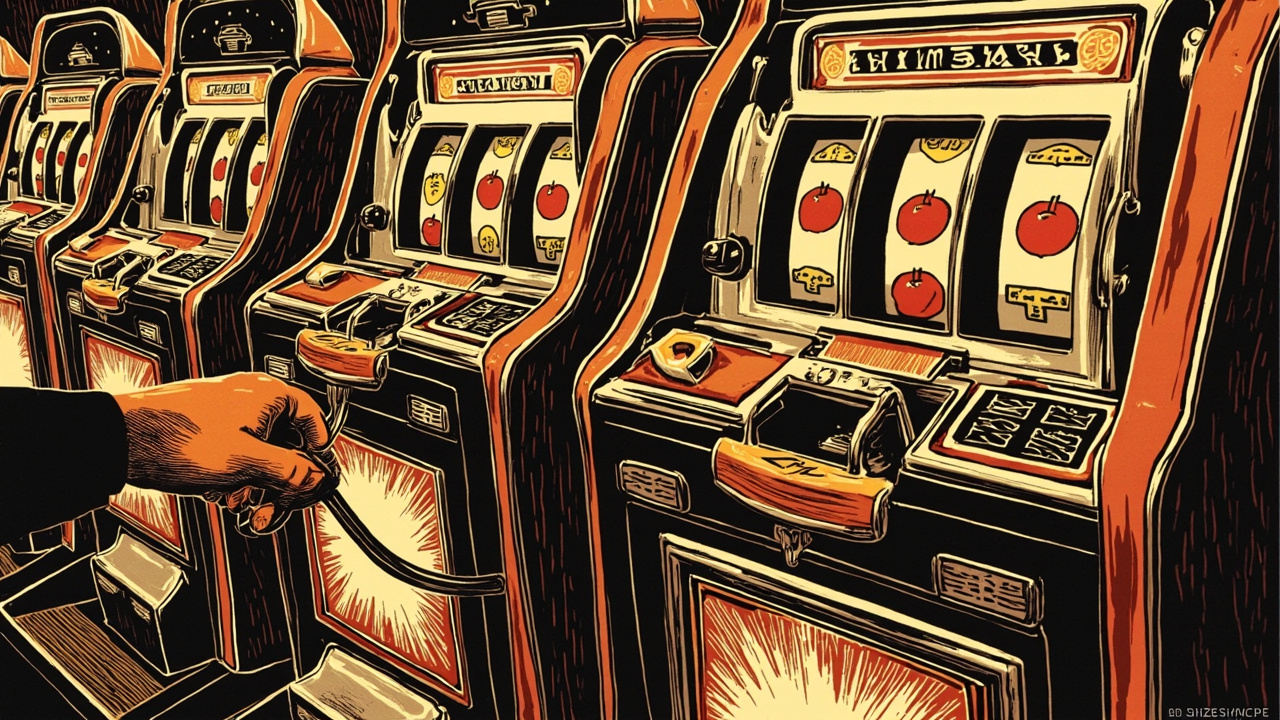
A decent crypto cashier is built on the same bones as any other payment desk: clear currencies, visible limits, and a flow that does not vanish halfway through. The difference is that you are often moving value that can swing while it sits in a pending state, and the operator still has to match that movement to a licence framework that sits outside Australia’s domestic regime. I have overseen cashier builds where the bottleneck was never the blockchain itself, but the manual review queue behind it, and that is where crypto casino risk tends to concentrate. A withdrawal that looks instant on a public explorer can still sit in an operator’s compliance hold while a team checks source-of-funds notes, identity documents, and bonus terms that were accepted three weeks earlier.
The practical trade-off is simple. You gain speed on the deposit side and a degree of privacy in how the value moves, but you lose the domestic consumer protections that come with an Australian-licensed environment. Regional New South Wales players often find the gap most sharply when a transfer that felt straightforward on Tuesday still needs documentation on Thursday, and the operator’s support window closes before the weekend. That is not a reason to avoid crypto outright, but it is a reason to treat the cashier as the product you are actually testing, not the lobby graphics or the bonus banner.
Deposits, Withdrawals, and the Verification Wait
Deposits through crypto are usually fast because the network confirms the transaction and the operator credits the account once the required confirmations land. Withdrawals are where the story changes, because responsible operators still run identity checks, bonus-wager audits, and internal limits before releasing funds. I have seen studios treat the cashier like a slot machine with a loose handle, and the result is always the same: a short-term rush followed by a queue that frustrates everyone involved. A better setup publishes its processing windows, states its per-transaction and daily limits in plain language, and does not hide verification behind a live-chat loop that repeats the same three lines.
The currencies matter too. A platform that only accepts one token may feel tidy, but it can leave you exposed if that token’s value moves sharply between deposit and withdrawal. A more measured approach offers a small, stable set of options, keeps the conversion logic transparent, and does not quietly shift you into a less favourable rate at the point of cashout. Over many spins, roulette results converge toward their expected frequencies, and the same patience applies to a cashier: the numbers settle only when the operator’s terms, limits, and review steps are clear from the start. If you want a sense of how other players handle slow transfers and disputed cashouts, compare timing against notes on Perth gambling forums, where slow transfers get flagged fast. You can also read more about the operator’s own cashier setup and payment flow at https://elvis-frog-vegas-au.com/, which lays out the deposit and withdrawal path in one place rather than scattering it across bonus terms.
Limits, Processing, and the Slow Verification Problem
Verification is the part most promotional copy skips, and it is the part that decides whether a withdrawal feels orderly or dragged out. A solid operator asks for the same documents a bank would ask for, keeps the request list short, and tells you roughly how long the review takes instead of promising an instant that depends on a human team’s workload. I have run verification through peak periods where the queue grew simply because the volume of new accounts arrived all at once, and the only honest fix was to publish the delay rather than pretend it did not exist. That kind of candour is worth more than a flashy welcome offer, because it tells you whether the cashier is managed or merely marketed.
The limits are just as important as the timing. Per-transaction caps, daily ceilings, and weekly totals are not there to annoy you; they are there to keep the movement of funds within a range the operator can actually reconcile. When those limits are buried in a terms page, crypto casino risk rises because you only discover them after you have already funded the account. When they are visible up front, you can plan your play around them instead of treating a cashout like a surprise. Electromechanical slots arrived in the mid-20th century, and the lesson from that era still holds: the machine is only part of the experience, and the rest is the operating discipline behind it. Sophie Watson, Strategy Director, Eucalypt Digital Advisory, puts the point plainly: “A crypto cashier is only as reliable as the compliance layer behind it, and players should judge that layer before they judge the lobby.”
Frequently Asked Questions
How fast are crypto withdrawals in practice?
Speed depends less on the network and more on the operator’s review steps, bonus audits, and document checks. A deposit can land quickly, but a withdrawal often waits while the cashier team confirms identity, source of funds, and any wagering requirements attached to prior bonuses. Published processing windows are a better guide than any promise of instant cashouts.
What should I check before funding a crypto account?
Look for clear currency options, visible deposit and withdrawal limits, and a short, specific verification list. Read the bonus terms before you deposit, because wagering requirements and game restrictions often decide whether a later withdrawal is straightforward. If the cashier details are scattered or vague, treat that as a warning rather than a minor inconvenience.
Is crypto play covered by Australian licensing?
No. Australian-licensed domestic gambling operates under a different framework, and offshore crypto play is not licensed or regulated in Australia. That means the ordinary domestic consumer protections do not automatically apply, so the operator’s own terms, limits, and support practices matter more than the token you use to fund the account.